
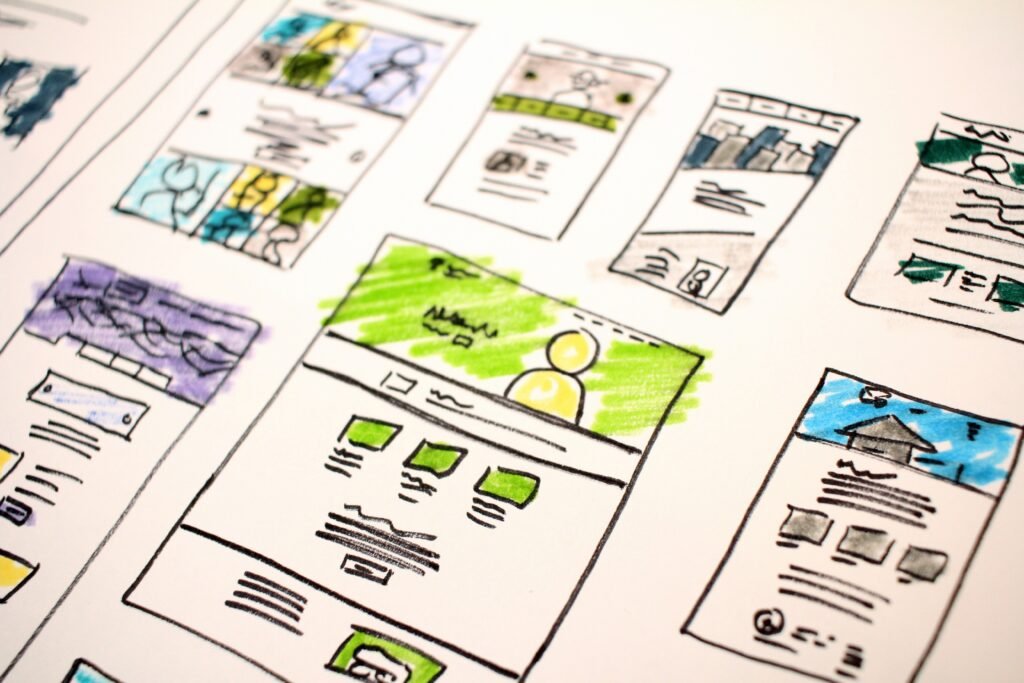
Understanding why sustainable web design matters
Adopting sustainable web design is no longer a niche concern for eco conscious organisations. It is a practical business strategy that recognises energy use across servers, networks and devices. In sustainable web design, decisions about code, media, hosting and architecture accumulate to influence emissions, user experience and operating costs. This guide from TechOven Solutions presents concrete steps to reduce your site carbon footprint, with actions you can apply during design reviews, development sprints and procurement decisions. By targeting measurable improvements, you can align technology choices with sustainability goals and customer expectations, while protecting performance and reliability.
Sustainable Web Design: Understanding the carbon footprint of websites
To understand where emissions come from, consider the three linked layers: server energy, data transfer, and client device usage. A site’s carbon footprint begins with the server that hosts the site. The energy mix of data centres varies by provider and region, and this directly affects CO2 output per request. Then there is data transfer: every image, script and font file adds to bandwidth consumption which translates into energy use along the network. Finally, user devices consume energy as screens render pages. Together, these factors determine the real world carbon impact of a single page view.
Real world metrics you can track include page weight, number of requests, and performance scores. A lightweight homepage that loads in under two seconds on a typical device can dramatically reduce energy per visitor, particularly for mobile users. A practical diagnostic is to establish a baseline: measure current page size, total requests, and visual completeness times, then identify outliers such as unoptimised images or large third party scripts. Small, incremental improvements—like compressing images, deferring non critical scripts and optimising fonts—accumulate into meaningful reductions over time. Use a monthly report to monitor progress and keep stakeholders informed.
In sustainable web design you should also consider hosting strategy. A provider with a transparent, audited energy mix, regional data centres near your audience, and carbon aware billing contributes to lower overall emissions. Combine this with a content delivery network that reduces long haul data transfer and a caching strategy that serves repeat visitors from the edge. The goal is not a single big fix, but a continuous programme of optimisations that compensates for growing traffic.
Design strategies that cut energy use in sustainable web design
The core of sustainable web design is performance driven design. Start with a clear performance budget: set targets for total page weight, number of critical requests and time to first render. This budget acts as a constraint that guides decisions in typography, imagery and interaction. Prioritise visual quality that is efficient; use responsive images so devices receive only what they need, and choose modern formats such as WebP or AVIF for photography. Avoid oversized font files by selecting system fonts where possible or loading font subsets.
Reduce the amount of JavaScript that runs on page load by deferring non essential scripts and splitting code so that the initial render is fast. Prefer CSS over JavaScript for animations and visual effects where feasible, as CSS generally consumes less energy on mobile devices. Minimise layout shifting by stabilising content and using stable aspect ratios. Use scalable vector graphics (SVG) for icons and diagrams rather than raster images. Finally, ensure media such as videos and animations are optimised or gated behind user intent, reducing unnecessary energy use while preserving user engagement.
Code and hosting choices to lower emissions in sustainable web design
Efficient code is foundational to sustainability. Remove dead code, rely on modular architecture and perform tree shaking to eliminate unused libraries. Minify and compress HTML, CSS and JavaScript, and enable Brotli or gzip compression on the server. Consider server side rendering only where it meaningfully improves perceived performance, and use static site approaches for content that does not change frequently. Caching is essential: configure strong caching headers, use service workers where appropriate, and ensure a sensible cache invalidation strategy. Hosting decisions matter as well. Choose providers with clear carbon commitments and regional data centres close to your audience to minimise transmission energy. Use a content delivery network (CDN) to reduce long distance data transfer and explore edge computing options for dynamic content. Finally, audit third party scripts regularly and remove or defer those that do not provide clear value.
Content strategy and lifecycle for sustainability
Content strategy has a direct bearing on energy use. Audit assets to identify duplicates and unnecessary media, and remove or replace anything that offers limited value. Archive stale pages instead of preserving them as live routes that must be crawled and served. Opt for evergreen content where possible to reduce the frequency of costly updates and re indexation. Optimise images and videos tied to content campaigns, and consider lightweight alternatives such as animated SVGs or compressed illustrations. Establish a governance process for asset creation that includes energy considerations in the brief, and assign ownership for ongoing maintenance. Finally, plan for archiving and migration as content ecosystems evolve, so the footprint does not grow uncontrollably over time.
Measuring impact and setting targets in sustainable web design
Measuring impact is essential to sustain progress. Establish a baseline by auditing page sizes, number of requests, and core performance metrics across devices and networks. Use tools such as Lighthouse to monitor CLS, LCP and TBT, and supplement with energy oriented insights from websites that estimate carbon emissions per page view. Define practical targets, for example reducing average mobile page size by a defined percentage within a quarterly cycle, decreasing third party script weight and increasing the share of assets served from the edge. Create a simple dashboard for stakeholders to track progress and adjust priorities based on data. Remember that sustainability is a moving target as traffic grows and technologies evolve.
Frequently Asked Questions
What is the carbon footprint of a website?
A website’s carbon footprint is the amount of energy consumed across the hosting servers, network transfer and end user devices needed to load and interact with the site. It varies by hosting location, data centre energy mix, the size of the page, the number of requests and how efficiently the code runs on devices. Sustainable web design focuses on reducing that energy use through optimised assets, efficient code and smart hosting decisions.
How can I measure a site’s environmental impact?
Start with a baseline assessment of page weight and request counts. Use Lighthouse or PageSpeed Insights for performance diagnostics and a tool like Website Carbon to estimate emissions per page. Track metrics over time, including page size, number of assets and load times across devices. Combine these numbers with a plan to improve; reassess after 3 months to quantify progress and adjust targets.
Are green hosting services worth it for small businesses?
Green hosting can be a meaningful part of a sustainability programme, especially when combined with performance improvements. For small businesses, evaluate the total cost of ownership, the reliability of the provider and whether the hosting energy mix aligns with your values. Consider progressive steps such as efficient asset delivery and caching as well as choosing a provider with clear carbon reporting.
Conclusion: Sustainable web design as a strategic differentiator
Sustainable web design delivers practical, measurable benefits for performance, cost and reputation. By combining efficient coding, thoughtful design, responsible hosting and a disciplined content lifecycle, organisations can significantly reduce their site carbon footprint without compromising user experience. This approach requires a steady programme of audits, targets and governance, but the payoff is a more responsible digital presence that resonates with customers and supports long term success.
Take the next step
Contact TechOven Solutions to plan a sustainability focused website upgrade that reduces footprint and enhances performance.